Article Plan: Printable Low Cholesterol Food List PDF (as of 03/13/2026)
Today’s date is 03/13/2026. This comprehensive guide details a printable food list‚ aiding in cholesterol reduction‚ mirroring benefits of statins‚ and supporting heart health.
NHS surveys reveal 59% of England’s population has high cholesterol‚ often without symptoms. This PDF will empower individuals with dietary choices for proactive wellness.
Emerging research links lower cholesterol to reduced dementia risk. This resource provides actionable steps‚ including food groups like oats‚ beans‚ and fatty fish‚ for optimal health.
Understanding Cholesterol & Heart Health
Cholesterol‚ often termed the “silent killer‚” is a waxy substance vital for building cells and producing hormones‚ yet elevated levels pose significant health risks. It’s crucial to understand that not all cholesterol is detrimental; High-Density Lipoprotein (HDL)‚ often called “good” cholesterol‚ aids in removing “bad” cholesterol‚ Low-Density Lipoprotein (LDL)‚ from the arteries.
Cardiovascular disease and stroke are major consequences of unchecked high cholesterol. The British Heart Foundation emphasizes the power of dietary interventions‚ suggesting certain foods can rival the effects of statin medications in lowering cholesterol numbers. This underscores the profound connection between what we eat and our heart’s well-being.
Maintaining healthy cholesterol levels is a cornerstone of preventative healthcare. Many individuals remain unaware of their high cholesterol due to the absence of noticeable symptoms‚ highlighting the importance of regular health screenings. A printable low cholesterol food list‚ like the one detailed in this guide‚ serves as a practical tool for proactive heart health management‚ empowering individuals to make informed dietary choices.
Ultimately‚ understanding cholesterol’s role and its impact on heart health is the first step towards a healthier lifestyle.
The Silent Threat: Why High Cholesterol Matters
High cholesterol often presents no immediate symptoms‚ earning it the moniker “silent threat.” This insidious nature allows cholesterol to build up in artery walls over time‚ gradually narrowing them and restricting blood flow. This process‚ known as atherosclerosis‚ significantly increases the risk of serious cardiovascular events.
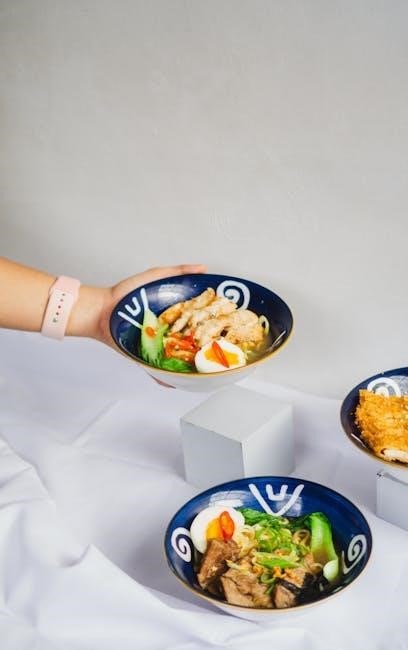
The consequences of untreated high cholesterol are severe‚ including heart disease‚ stroke‚ and even peripheral artery disease. According to NHS Health Surveys‚ a staggering 59% of people in England have high cholesterol‚ many unaware of their condition. This widespread prevalence underscores the urgency of preventative measures.
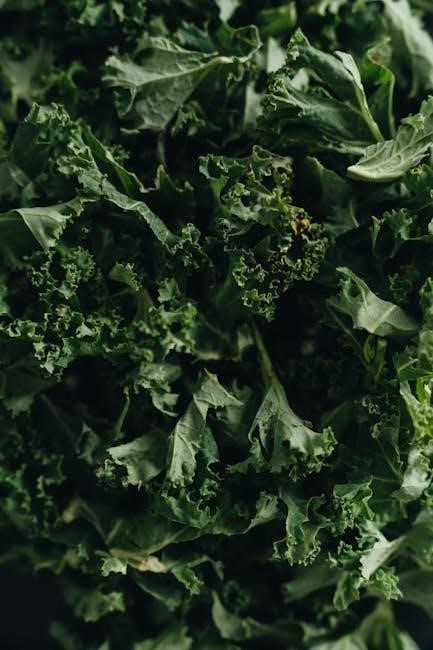
A printable low cholesterol food list isn’t merely a dietary guide; it’s a proactive defense against this silent threat. By consciously choosing foods that actively lower LDL (“bad”) cholesterol and boost HDL (“good”) cholesterol‚ individuals can significantly reduce their risk. Dietary changes‚ alongside regular health check-ups‚ are vital for safeguarding long-term cardiovascular health and mitigating the potentially devastating effects of high cholesterol.
Ignoring this silent threat can have life-altering consequences‚ making awareness and action paramount.
Cholesterol Levels: What Do the Numbers Mean?

Understanding your cholesterol numbers is crucial for assessing your heart health risk. Total cholesterol‚ LDL (“bad”) cholesterol‚ HDL (“good”) cholesterol‚ and triglycerides are key measurements. Optimal levels‚ as generally recommended‚ are a total cholesterol below 200 mg/dL‚ LDL below 100 mg/dL‚ HDL above 60 mg/dL‚ and triglycerides below 150 mg/dL.

However‚ target levels can vary based on individual risk factors‚ such as family history of heart disease‚ diabetes‚ or smoking. A printable low cholesterol food list becomes particularly valuable for those with borderline or elevated levels. It provides a practical roadmap for dietary adjustments to improve these numbers naturally.
Elevated LDL cholesterol directly contributes to plaque buildup in arteries‚ while higher HDL helps remove cholesterol. Knowing your specific numbers empowers you to make informed lifestyle choices‚ including adopting a heart-healthy diet detailed in the forthcoming food list. Regular monitoring‚ alongside dietary changes‚ is key to maintaining optimal cholesterol levels and reducing cardiovascular risk.
Proactive management‚ guided by these numbers‚ is essential for long-term well-being.
Dietary Approaches to Lowering Cholesterol
Adopting a heart-healthy diet is a cornerstone of cholesterol management‚ often rivaling the effects of medication. Focusing on soluble fiber‚ plant sterols and stanols‚ and unsaturated fats are key strategies. A printable low cholesterol food list simplifies this process‚ providing a readily accessible guide to beneficial foods;
Reducing saturated and trans fats is paramount. These fats raise LDL cholesterol levels‚ increasing heart disease risk. Prioritizing lean proteins‚ fruits‚ vegetables‚ and whole grains supports healthy cholesterol levels. The forthcoming list categorizes foods for easy incorporation into daily meals.
Furthermore‚ incorporating foods rich in omega-3 fatty acids‚ like fatty fish‚ can improve heart health. Limiting red and processed meats‚ full-fat dairy‚ and sugary drinks is also crucial. This dietary approach‚ coupled with regular exercise‚ forms a powerful strategy for lowering cholesterol and promoting overall well-being. The PDF will be your guide!
Consistent adherence to these principles yields significant‚ long-term benefits.
The Power of Food: A Natural Alternative
Many individuals seek natural methods to manage cholesterol‚ and dietary changes represent a powerful first step. A printable low cholesterol food list empowers you to take control‚ offering a proactive alternative or complement to medication like statins. Focusing on whole‚ unprocessed foods is fundamental.
The British Heart Foundation highlights the potential of specific foods to significantly reduce cholesterol levels. This isn’t about deprivation; it’s about strategic substitution. Swapping saturated fats for unsaturated fats‚ and incorporating fiber-rich foods‚ can yield substantial improvements.
This approach leverages the inherent benefits of nature. Foods like oats‚ beans‚ nuts‚ and fatty fish contain compounds that actively lower LDL cholesterol. The forthcoming PDF list provides a practical framework for building meals around these cholesterol-fighting ingredients‚ promoting heart health naturally and sustainably.
Embrace the power of food as a vital component of your wellness journey.
Key Food Groups for Cholesterol Reduction
A successful low cholesterol diet hinges on understanding which food groups offer the greatest benefits. Our printable list categorizes foods to simplify your choices‚ focusing on maximizing impact. Prioritizing these groups is crucial for naturally lowering LDL cholesterol and supporting cardiovascular health.
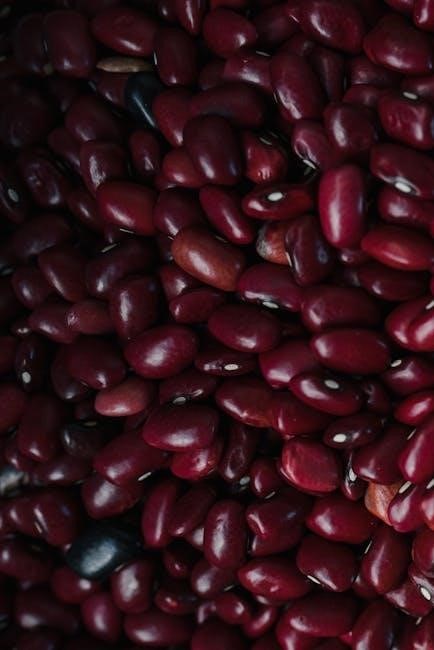
Soluble fiber is a star player‚ found abundantly in oats‚ barley‚ beans‚ and many fruits. Plant sterols and stanols‚ present in fortified foods and some plant sources‚ actively block cholesterol absorption. Healthy fats‚ specifically unsaturated fats from nuts‚ seeds‚ and fatty fish‚ improve lipid profiles.
The PDF food list will detail specific examples within each group‚ guiding you towards optimal selections. It’s not about eliminating entire categories‚ but about making informed swaps. Understanding these key groups empowers you to build a sustainable‚ heart-healthy eating pattern‚ reducing reliance on medication.
Strategic food choices are the cornerstone of cholesterol management.
Soluble Fiber Champions
Soluble fiber is a powerhouse in the fight against high cholesterol‚ and our printable food list highlights its champions. This type of fiber dissolves in water‚ forming a gel-like substance that binds to cholesterol in the digestive system‚ preventing its absorption into the bloodstream.
Oats and barley are prime examples‚ making them excellent breakfast choices. Beans and legumes‚ like kidney beans and lentils‚ are also incredibly rich in soluble fiber‚ offering a substantial protein boost alongside cholesterol-lowering benefits. Many fruits‚ including apples‚ pears‚ and citrus fruits‚ contribute to your daily intake.
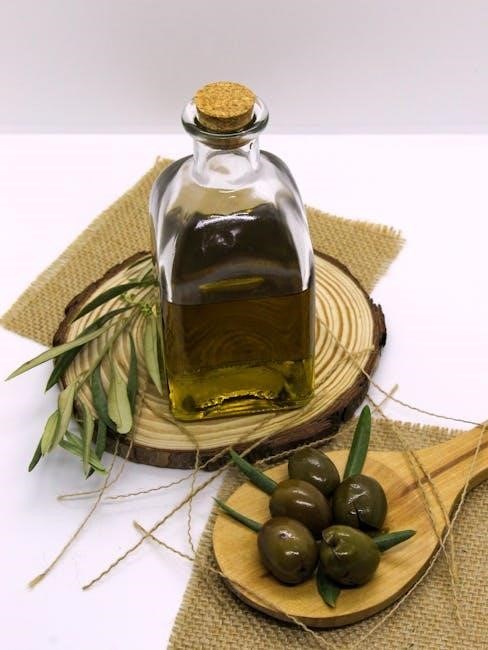
The PDF will provide specific serving sizes to help you reach the recommended daily intake of 25-35 grams. Increasing soluble fiber gradually is key to avoid digestive discomfort. This simple dietary change can significantly impact your cholesterol levels and overall heart health.
Prioritize these fiber-rich foods for a naturally healthier heart.
The Role of Plant Sterols & Stanols
Plant sterols and stanols are naturally occurring compounds found in plants that actively help lower LDL (“bad”) cholesterol levels. Our printable food list will indicate sources and recommended daily intakes of these beneficial substances. They work by blocking the absorption of cholesterol in the small intestine‚ similar to how some cholesterol-lowering medications function.
While not abundant in most natural foods‚ plant sterols and stanols are often added to foods like yogurt‚ orange juice‚ and spreads. The PDF will clearly identify products fortified with these compounds‚ allowing for informed choices. Consuming around 2 grams per day can lead to a noticeable reduction in LDL cholesterol.
It’s important to note that plant sterols and stanols are most effective when combined with a healthy diet low in saturated and trans fats. This resource will guide you in making those crucial dietary adjustments for optimal heart health and cholesterol management.
Maximize their benefits by incorporating them strategically into your daily meals.
Healthy Fats: Unsaturated vs. Saturated
Understanding the difference between fats is crucial for managing cholesterol‚ and our printable food list will highlight these distinctions. Unsaturated fats – monounsaturated and polyunsaturated – are considered “healthy” fats‚ actively helping to lower LDL (“bad”) cholesterol while potentially raising HDL (“good”) cholesterol.
Sources of unsaturated fats include olive oil‚ avocados‚ nuts‚ seeds‚ and fatty fish. Conversely‚ saturated fats‚ found primarily in red meat‚ full-fat dairy‚ and processed foods‚ can increase LDL cholesterol levels. The PDF will categorize foods based on their fat content‚ guiding you towards heart-healthy choices.
Trans fats‚ often found in fried foods and processed snacks‚ are particularly harmful and should be avoided altogether. This resource will emphasize the importance of reading food labels to identify and limit saturated and trans fat intake. Prioritizing unsaturated fats is a cornerstone of a cholesterol-lowering diet.
Make informed decisions for a healthier heart!
Printable Low Cholesterol Food List: Core Foods

Our comprehensive printable food list focuses on incorporating core foods proven to actively lower cholesterol. These selections are based on current dietary guidelines and research‚ including insights from the British Heart Foundation. The list is designed for easy grocery shopping and meal planning‚ empowering you to take control of your heart health.
Key categories include oats and barley – breakfast powerhouses rich in soluble fiber; beans and legumes‚ providing a protein and fiber boost; and a variety of nuts and seeds for healthy snacking. Fatty fish‚ abundant in Omega-3 fatty acids‚ are also prominently featured.
Furthermore‚ the list emphasizes a colorful array of fruits and vegetables‚ packed with antioxidants. This PDF provides specific examples within each category‚ making it simple to build cholesterol-friendly meals. It’s a practical tool for anyone seeking a natural approach to managing their cholesterol levels‚ aligning with the 59% of English adults with high cholesterol needing support.
Oats & Barley: Breakfast Powerhouses
Starting your day with oats or barley is a remarkably effective strategy for lowering cholesterol‚ making them cornerstone additions to our printable food list. These whole grains are exceptionally rich in soluble fiber‚ specifically beta-glucan‚ which actively binds to cholesterol in the digestive system‚ preventing its absorption into the bloodstream.
Regular consumption of oats and barley has been shown to significantly reduce LDL (“bad”) cholesterol levels. Consider incorporating oatmeal‚ oat bran‚ or barley into your breakfast routine. Options extend beyond traditional porridge; explore overnight oats‚ barley salads‚ or even adding barley to soups and stews.
The British Heart Foundation highlights these grains as top dietary choices rivaling statins in cholesterol reduction. This PDF emphasizes variety – choose steel-cut‚ rolled‚ or quick oats‚ and experiment with toppings like fruits‚ nuts‚ and seeds for added nutritional benefits. Prioritizing these breakfast powerhouses is a simple yet impactful step towards heart health.
Beans & Legumes: Protein & Fiber Boost
Beans and legumes – encompassing lentils‚ chickpeas‚ kidney beans‚ and black beans – are nutritional powerhouses‚ earning a prominent place on this printable low cholesterol food list. They deliver a potent combination of plant-based protein and soluble fiber‚ contributing significantly to heart health and cholesterol management.
Similar to oats‚ the soluble fiber in beans and legumes helps reduce the absorption of cholesterol in the gut. Regular inclusion in your diet can demonstrably lower LDL cholesterol levels. They are also incredibly versatile; incorporate them into soups‚ stews‚ salads‚ dips (like hummus)‚ or as a side dish.
This PDF encourages exploring diverse varieties to maximize nutritional intake. Beyond cholesterol reduction‚ beans and legumes offer essential vitamins‚ minerals‚ and antioxidants. They are a cost-effective and sustainable protein source‚ making them an ideal choice for a heart-healthy lifestyle‚ as highlighted by dietary guidelines.
Nuts & Seeds: Healthy Snack Options
Nuts and seeds – including almonds‚ walnuts‚ chia seeds‚ and flaxseeds – provide a convenient and satisfying way to incorporate heart-healthy fats into your diet‚ making them essential additions to this printable low cholesterol food list. They are rich in unsaturated fats‚ which help lower LDL (“bad”) cholesterol levels when consumed in moderation.
Walnuts‚ in particular‚ are an excellent source of omega-3 fatty acids‚ further bolstering cardiovascular health. Seeds like chia and flaxseeds are packed with fiber‚ contributing to cholesterol reduction and digestive wellness. Remember portion control is key‚ as nuts are calorie-dense.
This PDF recommends choosing unsalted varieties to avoid excess sodium intake. Enjoy a small handful as a snack‚ sprinkle them on salads‚ or add them to your morning oatmeal. They offer a delightful crunch and a wealth of nutrients‚ supporting a balanced and heart-conscious lifestyle‚ aligning with expert dietary advice.
Fatty Fish: Omega-3 Rich Choices
Fatty fish‚ such as salmon‚ mackerel‚ tuna‚ and sardines‚ are cornerstones of a cholesterol-lowering diet and a vital component of this printable food list. They are abundant in omega-3 fatty acids – EPA and DHA – which are renowned for their heart-protective benefits. These essential fats help reduce triglycerides‚ raise HDL (“good”) cholesterol‚ and lower blood pressure.
Regular consumption of fatty fish can significantly decrease the risk of cardiovascular disease. Aim for at least two servings (approximately 3.5 ounces each) per week. Preparation methods matter; baking‚ grilling‚ or steaming are preferable to frying‚ which adds unhealthy fats.
This PDF emphasizes the importance of sourcing sustainable seafood. Incorporating these omega-3 rich choices into your meal plan is a delicious and effective strategy for managing cholesterol levels and promoting overall well-being‚ as highlighted by heart health experts.
Fruits & Vegetables: Antioxidant Abundance
This printable low cholesterol food list prominently features fruits and vegetables‚ powerhouses of nutrients and antioxidants. These plant-based foods are naturally low in fat and cholesterol‚ while being rich in dietary fiber‚ which helps lower LDL (“bad”) cholesterol; A colorful variety ensures a broad spectrum of health benefits.
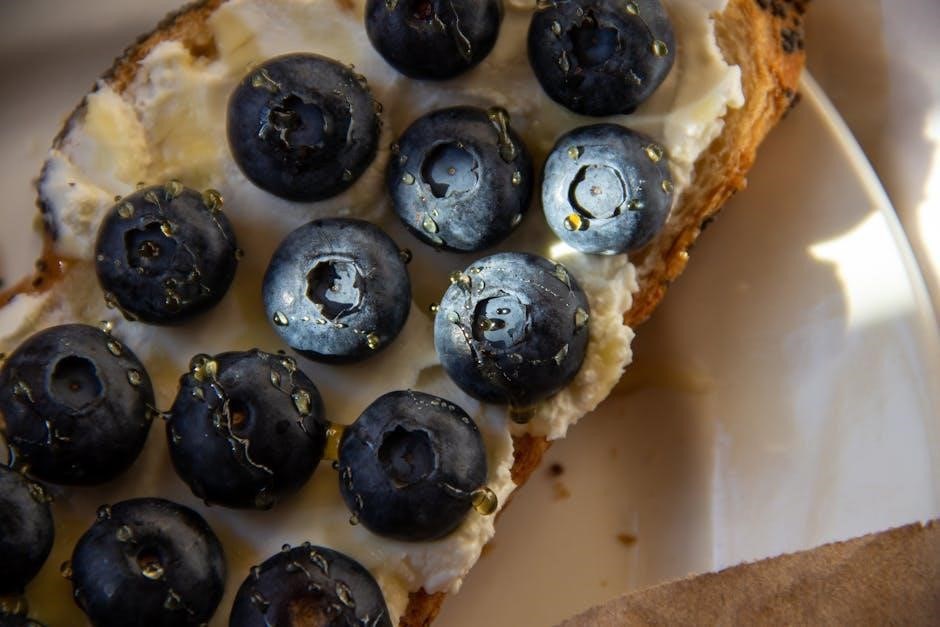
Berries (strawberries‚ blueberries‚ raspberries) are particularly beneficial due to their high anthocyanin content‚ known for its heart-protective properties. Leafy greens like spinach and kale provide vitamins‚ minerals‚ and fiber. Apples‚ citrus fruits‚ and broccoli are also excellent choices.
Aim for at least five servings daily‚ incorporating them into meals and snacks. Their abundance in antioxidants combats oxidative stress‚ a key contributor to heart disease. Prioritizing these foods is a simple yet impactful step towards improved cholesterol levels and overall health‚ as recommended by dietary guidelines.
Foods to Limit or Avoid
This printable low cholesterol food list also details foods to minimize or exclude for optimal heart health. High intake of saturated and trans fats significantly raises LDL cholesterol levels‚ increasing cardiovascular risk. Limiting these is crucial alongside incorporating cholesterol-lowering foods.
Red meat and processed meats (salami‚ bologna) are high in saturated fat and should be consumed sparingly. Full-fat dairy products‚ like whole milk and cheese‚ contribute to cholesterol intake; opt for low-fat or plant-based alternatives. Fried foods‚ a major source of trans fats‚ are detrimental and should be avoided.
Sugary drinks and processed snacks often contain hidden fats and contribute to weight gain‚ indirectly impacting cholesterol. Prioritize whole‚ unprocessed foods. Following these guidelines‚ alongside a balanced diet‚ supports healthy cholesterol management and reduces the risk of heart disease‚ as emphasized by health professionals.
Red Meat & Processed Meats: Impact on Cholesterol
Consuming red meat‚ such as beef and pork‚ and processed meats like sausage‚ bacon‚ and luncheon meats‚ significantly impacts cholesterol levels due to their high saturated fat content. Saturated fats encourage the liver to produce more LDL cholesterol – often termed “bad” cholesterol – contributing to plaque buildup in arteries.
Processed meats are particularly concerning as they often contain added sodium and preservatives‚ further exacerbating cardiovascular risks. Regularly including these in your diet can hinder efforts to lower cholesterol‚ even with other positive dietary changes. Guidelines for low cholesterol diets strongly advise limiting these foods.
For those aiming to reduce cholesterol‚ substituting red and processed meats with lean protein sources like fish‚ poultry (skinless)‚ beans‚ and legumes is highly recommended. Moderation is key; occasional small portions are preferable to frequent‚ large servings. This dietary shift supports a healthier lipid profile.
Full-Fat Dairy: Alternatives for Heart Health
Full-fat dairy products – including whole milk‚ cheese‚ and butter – contribute significantly to dietary saturated fat intake‚ directly impacting cholesterol levels. Similar to red meat‚ saturated fats prompt the liver to increase LDL cholesterol production‚ raising the risk of heart disease. Reducing consumption is crucial for cholesterol management.
Fortunately‚ numerous heart-healthy alternatives exist. Opting for low-fat or fat-free dairy options‚ such as skim milk‚ low-fat yogurt‚ and reduced-fat cheeses‚ drastically lowers saturated fat intake. Plant-based milk alternatives like almond‚ soy‚ oat‚ and cashew milk are also excellent choices‚ often fortified with essential nutrients.
When selecting dairy alternatives‚ always check the nutrition label for added sugars‚ as some brands may compensate for reduced fat with increased sugar content. Prioritizing unsweetened varieties is best. Making these simple swaps can substantially improve your cholesterol profile and overall cardiovascular health.
Fried Foods & Trans Fats: The Worst Offenders
Fried foods represent a significant threat to heart health‚ primarily due to their high content of unhealthy fats. The frying process often utilizes oils rich in saturated and trans fats‚ both of which dramatically elevate LDL (“bad”) cholesterol while simultaneously lowering HDL (“good”) cholesterol. This unfavorable lipid profile substantially increases cardiovascular disease risk.
Trans fats‚ often found in processed foods and commercially baked goods‚ are particularly harmful. They not only raise LDL cholesterol but also actively reduce HDL cholesterol‚ creating a double negative impact. Many countries have implemented regulations to limit or ban trans fats in food production‚ but vigilance is still necessary.
Avoiding fried foods – including french fries‚ fried chicken‚ and doughnuts – is paramount. Opt for baking‚ grilling‚ steaming‚ or air frying as healthier cooking methods. Carefully scrutinize food labels for “partially hydrogenated oils‚” a key indicator of trans fat presence‚ and choose products free from this ingredient.
Sugary Drinks & Processed Snacks: Hidden Cholesterol Risks
Sugary drinks and highly processed snacks often fly under the radar as cholesterol contributors‚ yet they pose significant risks to heart health. Excessive sugar intake triggers a cascade of metabolic effects‚ including increased triglyceride levels‚ which are closely linked to higher LDL cholesterol and reduced HDL cholesterol.
Processed snacks‚ such as cookies‚ cakes‚ and chips‚ frequently contain hidden saturated and trans fats‚ alongside refined carbohydrates and added sugars. These ingredients collectively contribute to an unfavorable lipid profile‚ increasing the risk of cardiovascular disease. The convenience of these snacks often leads to overconsumption.
Prioritizing whole‚ unprocessed foods is crucial. Replace sugary sodas and juices with water‚ unsweetened tea‚ or infused water. Swap processed snacks for fruits‚ vegetables‚ nuts‚ or seeds. Reading food labels diligently to identify hidden sugars and unhealthy fats is essential for making informed choices and protecting your cholesterol levels.
Sample Meal Plan for Lowering Cholesterol
This sample meal plan emphasizes foods known to actively lower cholesterol‚ incorporating elements from our printable food list. Breakfast features oatmeal with berries and a sprinkle of nuts – soluble fiber champions! Lunch includes a large salad with grilled fish (salmon or mackerel) and a bean-based dressing‚ providing omega-3s and plant protein.
Dinner consists of lentil soup with whole-grain bread‚ delivering a substantial dose of soluble fiber. Snacks throughout the day could include a handful of almonds‚ a piece of fruit‚ or edamame. Hydration is key; prioritize water throughout the day‚ avoiding sugary drinks.
Remember to limit red meat and full-fat dairy. This plan is a template; adjust portion sizes based on individual needs. Consistent adherence to a diet rich in soluble fiber‚ plant sterols‚ and healthy fats‚ as outlined in our PDF‚ is vital for achieving optimal cholesterol levels and supporting long-term heart health.
Creating Your Printable PDF Food List
To maximize convenience‚ we’re guiding you through creating a personalized‚ printable PDF of our low-cholesterol food list. Start by categorizing foods from the core list: oats‚ barley‚ beans‚ legumes‚ nuts‚ seeds‚ fatty fish‚ and a wide variety of fruits and vegetables.
Utilize a word processor or spreadsheet program. Create columns for “Foods to Enjoy Regularly‚” “Foods for Occasional Consumption‚” and “Foods to Limit/Avoid.” Populate each column based on the guidelines provided. Consider adding a section for your favorite recipes incorporating these foods.
Customize the list with your dietary preferences and allergies. Finally‚ save the document as a PDF to ensure portability and easy printing. This personalized PDF empowers you to make informed food choices at the grocery store and during meal planning‚ supporting your cholesterol-lowering journey and overall heart health.
Cholesterol & Dementia Risk: Emerging Research
Recent studies are illuminating a compelling link between cholesterol levels and the risk of developing dementia. New research suggests that maintaining lower levels of “bad” cholesterol (LDL) may contribute to a reduced risk of cognitive decline. This discovery adds another layer of importance to proactive cholesterol management.
While the exact mechanisms are still being investigated‚ it’s believed that high cholesterol can contribute to the buildup of amyloid plaques in the brain – a hallmark of Alzheimer’s disease. Adopting a diet rich in cholesterol-lowering foods‚ as outlined in this guide‚ may therefore offer neuroprotective benefits.
This emerging evidence reinforces the holistic benefits of a heart-healthy diet. Prioritizing foods like oats‚ beans‚ nuts‚ seeds‚ and fatty fish not only supports cardiovascular health but may also safeguard cognitive function as we age. Further research is ongoing‚ but the connection is becoming increasingly clear.
NHS Statistics on High Cholesterol in England
Recent NHS Health Survey data reveals a significant public health concern: approximately 59% of adults living in England have high cholesterol levels. Alarmingly‚ a substantial portion of those affected remain unaware of their condition‚ as high cholesterol often presents without noticeable symptoms. This underscores the critical need for increased awareness and preventative measures.
These statistics highlight the importance of regular cholesterol checks‚ particularly for individuals with family histories of heart disease or unhealthy lifestyle factors. Early detection and intervention are key to mitigating the risks associated with high cholesterol‚ including cardiovascular disease and stroke.
This printable low cholesterol food list PDF is designed to empower individuals to take control of their heart health. By incorporating cholesterol-lowering foods into their daily diets – such as oats‚ beans‚ nuts‚ and fatty fish – residents of England can proactively reduce their risk and improve their overall well-being. Access to this information is a vital step towards a healthier nation.